
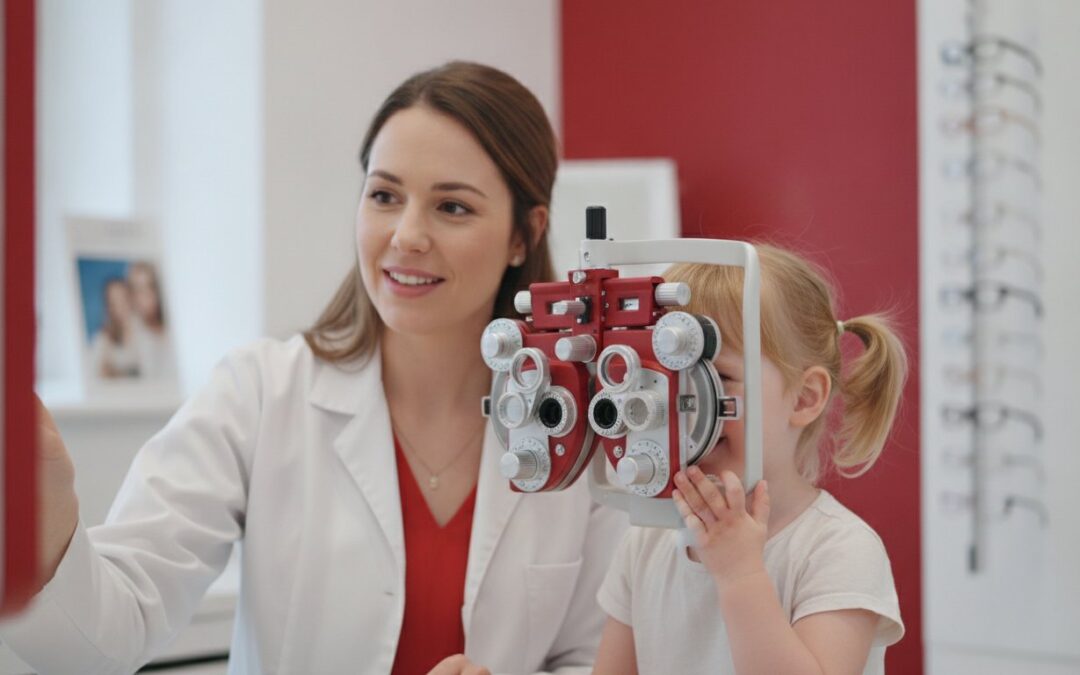
On average, children in the UK are five years old before they have their first eye test, despite the fact that many vision concerns are more manageable when spotted early. If you are feeling a little apprehensive about booking a child eye test in Rayleigh, you certainly aren’t alone. Many parents worry about their child’s behaviour during the exam or feel confused by the difference between NHS and private options. You deserve a service that feels like a warm community welcome rather than a cold, clinical transaction.
This comprehensive guide and 2026 checklist will ensure your child is school-ready with the best local care. We will clarify exactly how NHS funding works, explain why your child doesn’t even need to know their alphabet to be tested, and show you how to find a friendly, independent practice that puts your family first. By the time you finish reading, you’ll have everything you need for a stress-free appointment and total peace of mind regarding your child’s eye health.
Key Takeaways
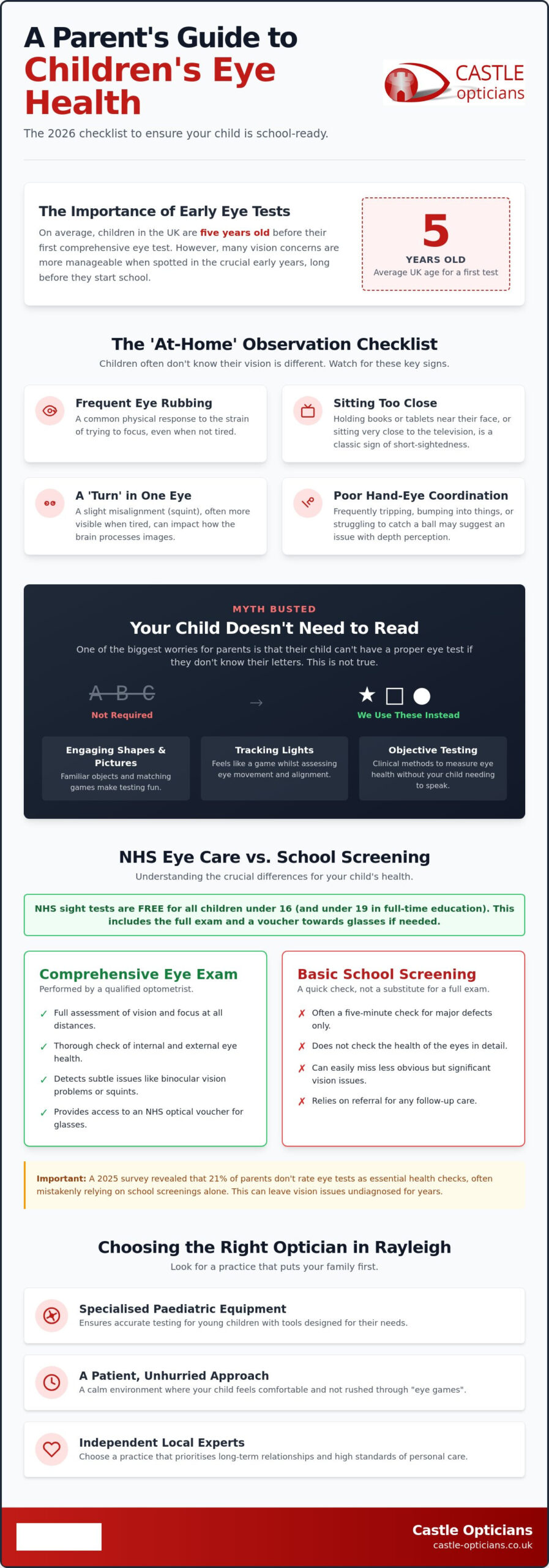
- Identify the subtle at-home signs that your child might be struggling with their vision, such as sitting too close to the television or frequent eye rubbing.
- Navigate the details of NHS eligibility and learn how optical vouchers provide essential support for the cost of lenses and frames.
- Find out how to choose the best provider for a child eye test in Rayleigh by looking for practices that offer specialised paediatric equipment and a patient, unhurried approach.
- Prepare for a stress-free appointment day with a checklist designed to keep your child comfortable, engaged, and ready for “eye games.”
- Understand the benefits of choosing an independent local expert who prioritises long-term relationships and high standards of personal care.
Identifying Vision Issues: The ‘At-Home’ Observation Checklist
Children rarely complain about their vision because they simply don’t know any different. If they have always seen the world through a slight blur, they assume everyone else does too. Since research shows that six in 100 children experience at least one eye problem in their first three years of life, your role as a parent observer is vital. Before you book a child eye test Rayleigh, you can start by watching for specific habits that suggest their eyes are working harder than they should be.
Start with these four key questions during your daily routine:
- Does your child frequently rub their eyes even when they aren’t tired? Constant rubbing can be a physical response to the strain of trying to focus on objects that aren’t clear.
- Are they sitting unusually close to the television or holding tablets near their face? Whilst it’s tempting to think they are just getting into the story, this is a classic sign of short-sightedness.
- Have you noticed a ‘turn’ in one eye? This is often most visible when a child is tired or unwell. Even a slight misalignment can impact how the brain processes images.
- Do they struggle with hand-eye coordination or frequently trip over small objects? If your child seems to miss the ball during catch or bumps into furniture often, it might be an issue with their depth perception rather than a lack of coordination.
Physical Symptoms vs Behavioural Signs
It’s helpful to distinguish between clear physical symptoms and more subtle behavioural changes. You might spot your child squinting or blinking excessively whilst playing in the garden. These are direct physical responses to light or distance. On the other hand, behavioural signs often appear after tasks that require concentration. If your child becomes frustrated during reading time or complains of headaches after a day at school, eye strain is a likely culprit. What many parents label as clumsiness is frequently a sign that the eyes aren’t working in tandem, making it difficult for the child to judge distances accurately. For a deeper look at the full range of behavioural cues to watch for, our guide to the signs your child needs an eye test covers the most commonly missed indicators in detail.
The ‘Letter-Free’ Myth-Buster
One of the biggest hurdles for parents is the belief that a child must be able to read before they can visit an optician. This simply isn’t true. When you research what happens during an eye test, you’ll see that paediatric specialists use a variety of non-verbal tools. We use engaging shapes, familiar pictures, and tracking lights that feel more like a game than a medical exam. Paediatric objective testing is a clinical method used to measure a child’s prescription and eye health accurately without the child needing to speak. This means we can ensure their vision is developing correctly long before they start primary school.
NHS vs Private: Understanding Your Child’s Eye Test Options in Rayleigh
Sorting out the financial side of healthcare shouldn’t be a headache. In the UK, every child under the age of 16, or under 19 if they are in full-time education, is entitled to Free NHS sight tests. This isn’t just a basic check; it is a clinical right designed to ensure every student is school-ready. When you book a child eye test Rayleigh, the NHS covers the cost of the examination itself and provides a voucher that contributes towards the cost of glasses or contact lenses.
Many parents fall into the ‘School Screening’ trap. Whilst many Essex primary schools offer a vision screening in reception, this is often a five-minute check designed only to spot major vision defects. It doesn’t replace a comprehensive eye exam. These screenings can miss subtle issues like binocular vision problems or slight squints that affect a child’s ability to read comfortably. A 2025 survey revealed that 21% of parents don’t rate eye tests as essential health checks, but relying on school screenings alone can leave vision issues undiagnosed for years. Families across Essex, including those seeking a children’s eye test South Benfleet residents can trust, are increasingly recognising the importance of a full professional examination over a basic school screening.
What is Included in an NHS-Funded Test?
A standard NHS test for a child includes a full assessment of their vision and the health of their eyes. Our optometrists use age-appropriate tools, such as matching games or picture charts, to make the process feel light-hearted. We check both the internal and external health of the eye to ensure everything is developing as it should. The NHS typically recommends these checks every two years, though we may suggest more frequent visits if we are monitoring a specific condition. As of April 2026, NHS vouchers provide tiered support for lenses, starting from £42.40 for simple prescriptions, ensuring that high-quality vision remains accessible for every family in our community.
The Benefits of the Advanced Eye Test
Whilst the standard NHS test is thorough, some parents opt for an Advanced Eye Test. This includes OCT (Optical Coherence Tomography), a sophisticated 3D scan that looks beneath the surface of the retina. It allows us to create a permanent digital record of your child’s eye health, making it much easier to track tiny changes over several years. Choosing an independent practice for these tests often means you get more time per appointment than you would at a corporate chain. We pride ourselves on an unhurried approach where your child can feel settled and relaxed. If you’d like to ensure your child has the most detailed assessment possible, you can chat with our Rayleigh team about adding an OCT scan to their next visit.
Choosing the Right Optician: What Rayleigh Parents Should Look For
Selecting the right practice for a child eye test Rayleigh involves looking beyond the storefront. You need to ensure the team is genuinely experienced in paediatric care. A child’s eyes are still developing, and the way they are tested must reflect that. Following the NHS guidelines on children’s eye tests, a professional exam should use specialised charts that rely on shapes or pictures if the child isn’t yet confident with letters. It’s about finding a team that treats the appointment as a positive experience rather than a clinical chore.
Frame choice is equally vital. If a child needs correction, they are far more likely to wear their glasses if they feel good in them. Look for a practice that stocks a diverse range of spectacle frames in Rayleigh, including options that are both stylish and durable. We often recommend flexible, high-quality frames for active kids who might be prone to dropping them during PE or afternoon play. Continuity of care is the final piece of the puzzle. Seeing the same optometrist at every visit builds a layer of trust that makes future appointments much smoother.
Independent Rayleigh Opticians vs Corporate Chains
Corporate chains often operate on tight schedules, which can feel pressured for a young patient who needs a little extra time to settle. Independent opticians in Rayleigh tend to prioritise a non-pressured environment. This unhurried approach allows for personalised frame styling, ensuring the fit is perfect for a smaller bridge or ears. Local experts also have a deep understanding of our community. We know the local school requirements and can offer advice on everything from classroom seating to the best protective eyewear for weekend sports at Fairview Park.
Checking for Specialist Services
In 2026, paediatric eye care has advanced significantly. When choosing a provider, ask if they offer Myopia Management. This isn’t just a standard prescription; it’s a specialised treatment designed to slow down the progression of short-sightedness in children. You should also consider the practice’s ability to handle the unexpected. If your child has a minor eye injury during the school day or loses their glasses right before a holiday, having a local team that offers emergency support is a massive relief for any parent. A trusted local expert will always make time for these urgent moments, ensuring your child’s vision remains a top priority.
Appointment Day: A Checklist to Prepare Your Child for Their Eye Test
Preparing for a child eye test Rayleigh begins long before you step through our doors. Success on the day often comes down to simple logistics. Timing is everything. We recommend avoiding nap times or those late-afternoon “meltdown” hours when hunger and fatigue can make focus difficult. A mid-morning slot, perhaps after a good breakfast, usually ensures your child is at their most alert and cooperative. If they have a favourite teddy or a small comfort toy, please do bring it along; these familiar items help them feel settled whilst they are in the consultation chair.
It is also helpful to frame the visit as an adventure. Instead of using clinical terms, describe the appointment as a series of “Eye Games” involving fun puzzles, colourful lights, and pictures. This approach turns a potentially daunting experience into something they can look forward to. Whilst you are preparing them, take a moment to note down any of your own observations. If you’ve noticed them squinting at their homework or rubbing their eyes after using a tablet, these details are incredibly useful for our optometrists. If you’re unsure which behaviours are worth mentioning, our detailed breakdown of the most common signs a child needs an eye test can help you identify exactly what to look out for before the appointment.
Talking to Your Child About the Optometrist
Using positive, non-medical language is the best way to keep anxiety at bay. You can explain that they are going for a “vision check” to see how well their eyes can spot hidden shapes. It’s important to reassure them that there are no needles or scary procedures involved in a standard exam. If you’ve opted for an advanced eye test, you can describe the OCT scanner as a “Big Camera” that takes a special 3D photo of the back of their eyes. Most children find the technology quite fascinating when it’s explained as a high-tech photography session. Our goal is to make the High Street visit a highlight of their week, not a chore.
What to Bring With You
Being organised helps the appointment flow smoothly. Please bring any current glasses they use, even if they only wear them occasionally, along with any previous prescriptions you might have. It’s also helpful to have a quick think about your family history. Knowing if a close relative has a “lazy eye” (amblyopia) or a squint allows us to tailor our checks more effectively. If you have your child’s Red Book or any recent school vision screening results, bring those too. These documents provide a valuable baseline for their developmental journey. If you’re ready to secure a slot, you can book a child eye test Rayleigh with our friendly local team today.
Personalised Paediatric Care at Castle Opticians Rayleigh
Castle Opticians has been a fixture of the local community since 1989. For over three decades, we’ve had the privilege of seeing Rayleigh children grow into adults, eventually bringing their own little ones back to us for their very first child eye test Rayleigh. This heritage isn’t just about years in business; it’s about the deep-rooted relationships we build with families across Essex. We believe that professional paediatric care should feel like a conversation with a trusted friend, providing clinical excellence without the sterile atmosphere of a typical medical facility.
Our ‘Warm Welcome’ approach is at the heart of everything we do. We know that a trip to the optician can be a big event for a child, so we strive to make it a highlight of their day. Whether it’s choosing from our range of vibrant, durable frames or sitting for an eye health check in Essex, your child is treated with the patience and personal attention they deserve. We specialise in high-quality lenses and frames that are built to withstand the rigours of school life whilst ensuring your child feels confident and stylish.
Our Rayleigh High Street Practice
Located conveniently on the High Street, our practice offers a calm, unhurried atmosphere that is specifically designed to put families at ease. You won’t find the rushed energy of a corporate chain here; instead, you’ll meet a friendly team that takes the time to get to know your child’s specific needs. Being situated amongst familiar local landmarks makes us an easy stop during a day out in the town centre. We’ve created a space where children can feel at home, allowing us to get the most accurate results from their eye exam whilst they remain relaxed and happy.
Next Steps for Your Child’s Vision
Booking a child eye test Rayleigh is a straightforward process, whether you are visiting as an NHS or private patient. If the test reveals that your child does need glasses, our personalised styling service helps them find the perfect fit from our colourful collection. We make sure the frames are comfortable, secure, and something they’ll be proud to wear in the classroom. Ensuring your child’s vision is school-ready for 2026 is one of the most impactful things you can do for their development. If you’re ready to prioritise their eye health, you can Book your child’s eye test in Rayleigh today and experience the difference that independent, community-focused care makes.
Securing a Bright Future for Your Child’s Vision
Ensuring your child’s vision is school-ready is one of the most proactive steps you can take for their learning and development. By using our at-home observation checklist and understanding the comprehensive support provided by NHS funding, you are already well-prepared. Choosing a child eye test Rayleigh with a team that prioritises patience and personal care makes all the difference in how your child views their eye health for years to come.
At Castle Opticians, we have been Rayleigh’s independent experts since 1989. We combine our long-standing community heritage with advanced OCT technology to provide a level of care that goes far beyond a simple sight check. Whether you are booking an NHS-funded test or looking for a more detailed advanced examination, our friendly team is here to guide you through every step. Book Your Child’s Eye Test at our Rayleigh Practice today to ensure they start their next school term with total confidence and clear vision.
Frequently Asked Questions
At what age should a child have their first eye test?
Children should ideally have their first comprehensive eye examination around the age of three or four, well before they start primary school. Early testing allows us to identify and manage issues like lazy eye or squints whilst the visual system is still highly adaptable. Even if you haven’t noticed any symptoms, a baseline check at this age ensures their vision is developing correctly for their milestones.
Is a child’s eye test free on the NHS in Rayleigh?
Yes, every child under the age of 16 is entitled to a free sight test funded by the NHS. When you book a child eye test Rayleigh at an independent practice like ours, the cost of the clinical exam is fully covered. You will also receive an NHS optical voucher that provides a contribution towards the cost of any necessary glasses or contact lenses.
How long does a child’s eye examination usually take?
A standard paediatric appointment typically lasts between 20 and 30 minutes, though we adjust the pace to suit the individual child. We always allow enough time for your little one to settle into the environment and feel comfortable with the equipment. Our goal is to ensure the process feels like an unhurried conversation rather than a clinical transaction.
What if my child can’t read or is too shy to talk to the optician?
Your child does not need to know their alphabet or even speak to have an accurate eye test. We use “objective testing” methods, including picture-based charts, matching games, and light-tracking tools, to measure their prescription and eye health. This allows us to gather precise clinical data without putting any pressure on a shy or non-verbal child.
Can my child wear contact lenses if they play sports?
Many children successfully wear contact lenses, especially if they are active in sports like football, dance, or gymnastics where glasses might be restrictive. We assess each child’s maturity and hygiene habits individually to ensure they are ready for the responsibility. We also offer specialised myopia management lenses that can help slow the progression of short-sightedness whilst they play.
How do I know if my child’s school vision screening was enough?
School vision screenings are basic checks that often miss complex issues like eye strain, binocular vision problems, or internal health concerns. They are designed only to spot major vision defects in a high-volume setting. A full professional exam is the only way to get a detailed view of the eye and ensure your child’s vision is truly ready for the classroom.
What are the signs of myopia (short-sightedness) in children?
Common signs of short-sightedness include sitting unusually close to the television, squinting to see objects in the distance, or holding tablets very near to the face. You might also notice your child rubbing their eyes frequently or complaining of headaches after a day at school. If these behaviours persist, it is a clear sign that they are struggling to focus correctly.
Do you have a range of glasses that won’t break easily?
We stock a wide variety of durable, flexible frames specifically designed for the rough-and-tumble nature of childhood. These resilient options are made from high-quality materials that can withstand being dropped or bumped during PE and afternoon play. We ensure every pair is fitted correctly to your child’s face so they remain secure and comfortable all day long.